
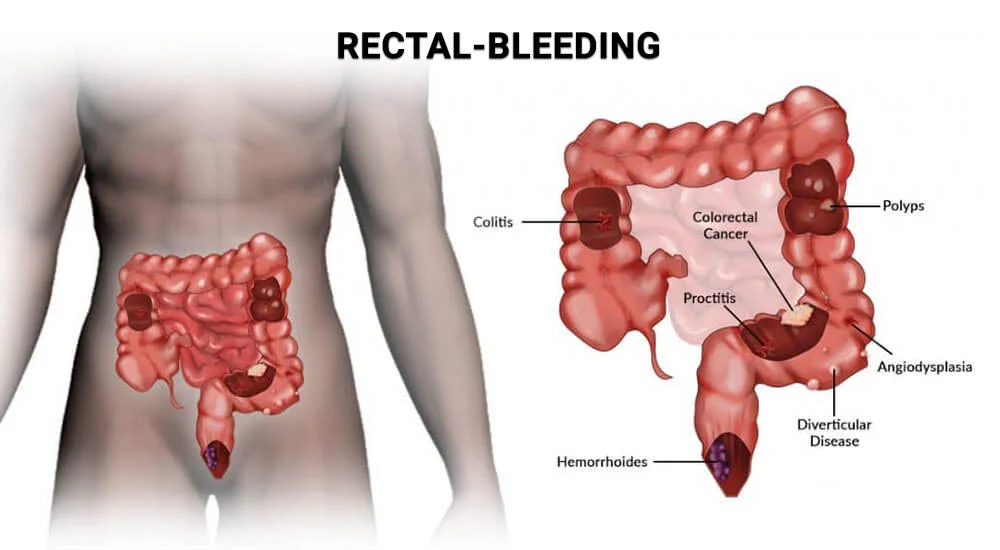
Rectal Bleeding: Causes, Symptoms and Treatment
Bleeding from the anus is a symptom that can create different reactions in people. Some feel frightened, some feel uncomfortable or hesitant, while others stay silent out of embarrassment. Many people also think that since it happened before and stopped on its own, it may not be serious.
However, when the body sends a warning signal through bleeding, it should never be ignored.
Rectal bleeding itself is not a disease. It is usually a sign of an underlying condition inside the body. Sometimes the cause may be minor, while in other cases it may indicate a more serious problem. The most important thing is identifying the cause early and getting proper medical treatment.
In countries like Bangladesh, rectal bleeding is relatively common. Irregular eating habits, drinking less water, long-term constipation, excessive straining during bowel movements, and colorectal diseases play a significant role. That is why understanding rectal bleeding is extremely important.
What Is Rectal Bleeding?
Rectal bleeding refers to visible blood passing through the anus.
Sometimes the blood mixes with stool, while in other cases it appears separately at the end of bowel movement. Many people notice blood on toilet tissue or in the toilet water.
A very common misconception is that bleeding always indicates a serious disease or that it is something completely normal.
In reality, rectal bleeding is a symptom. Its significance depends on several factors such as:
• The amount of bleeding
• How long the bleeding has been occurring
• Whether there is pain
• The patient’s age and overall health condition
Common Causes of Rectal Bleeding
Hemorrhoids (Piles)
Hemorrhoids are swollen veins inside or around the anus. It is one of the most common causes of rectal bleeding.
Usually bright red blood appears without severe pain. Long-term constipation, excessive straining during bowel movement, and unhealthy lifestyle habits increase the risk of hemorrhoids.
Anal Fissure
An anal fissure is a tear in the skin of the anal canal.
It often causes severe pain during bowel movement, a burning sensation, and mild bleeding. Hard stool and chronic constipation are the most common causes.
Chronic Constipation
Many people consider constipation a minor problem.
In reality, long-term constipation is a major cause of several rectal conditions. Repeatedly forcing out hard stool can damage the anal tissues and lead to bleeding.
Moderate Risk Causes
Colorectal Polyps
Polyps are small growths that develop inside the colon or rectum.
In the early stages they usually do not cause symptoms. Over time they may cause bleeding, and some polyps can eventually develop into cancer if left untreated.
Inflammatory Bowel Disease (IBD)
Conditions such as ulcerative colitis and Crohn’s disease cause long-term inflammation inside the digestive tract.
Common symptoms include:
• Blood in stool
• Mucus in stool
• Abdominal pain
• Chronic diarrhea
These diseases usually require long-term treatment and regular follow-up.
Serious and High Risk Causes
Colorectal Cancer
In some cases, rectal bleeding can be the first symptom of colorectal cancer.
Since early stages may not cause pain, many people ignore the symptom. The risk increases with age and if there is a family history of colorectal cancer.
Long Term Painless Bleeding
Bleeding that continues for a long time without pain should never be ignored.
It may indicate an underlying condition that requires proper medical examination to diagnose.
When Should You See a Doctor?
You should consult a doctor if:
• Bleeding occurs repeatedly
• Bleeding continues for a long time without pain
• Stool becomes very dark or black
• You experience unexplained weight loss or weakness
• There are symptoms of anemia
• Bleeding occurs for the first time after age 40
Final Thoughts
Rectal bleeding is not something to feel embarrassed about. It is an important warning signal from the body.
Ignoring it may delay diagnosis of serious conditions. Early medical evaluation and proper treatment can help prevent complications and ensure better health.
If you notice any symptoms of rectal bleeding, it is always better to consult a qualified medical professional.