
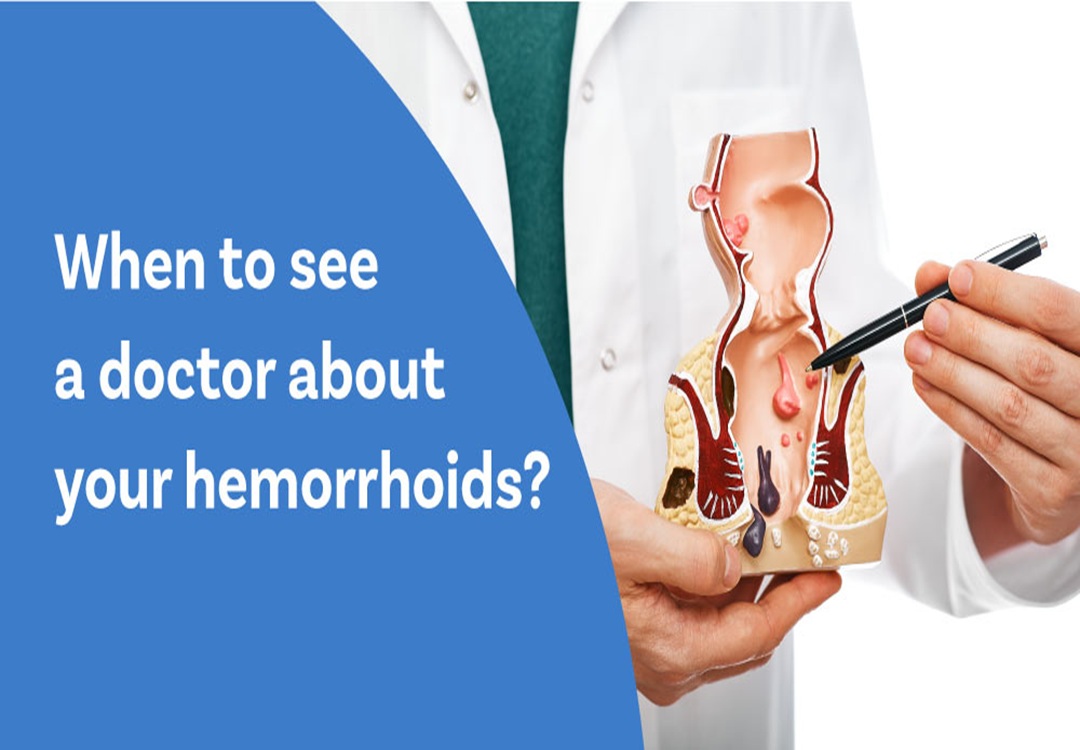
Which Doctor Should You See for Hemorrhoids? – A Detailed Guide
Although hemorrhoids (piles) are a very common health problem in Bangladesh, many people delay treatment due to embarrassment, fear, or misconceptions. As a result, a condition that could be easily controlled in the early stage gradually becomes more complicated.
Another common confusion is which doctor to consult when someone has hemorrhoids.
To be clear, the most appropriate doctors for treating hemorrhoids are Colorectal Surgeons or Proctologists. These specialists are trained to diagnose and treat diseases related to the anus, rectum, and colon.
How to Recognize Hemorrhoids
Hemorrhoids are swollen veins or lumps inside or around the anus. In the early stages, they may cause mild symptoms, but over time they can lead to pain, bleeding, and discomfort in daily life.
Common symptoms of hemorrhoids include
• Bright red bleeding during or after bowel movement
• Pain or burning sensation in the anal area
• Itching or discomfort around the anus
• Feeling a lump or swelling near the anus
• Long-term constipation
In the early stages, these symptoms can often be managed with medication, dietary changes, and lifestyle modifications. However, if the condition progresses, surgical treatment may sometimes be necessary.
Which Doctor Should You See for Hemorrhoids?
Colorectal Surgeon
A colorectal surgeon is the most suitable specialist for hemorrhoid treatment.
These doctors evaluate the type, stage, and severity of hemorrhoids and recommend appropriate treatment, which may include medication, lifestyle changes, or modern surgical procedures if necessary.
Proctologist
Proctologists specialize in diseases of the anus and rectum.
Besides hemorrhoids, they also treat conditions such as:
• Anal fissures
• Anal fistulas
• Rectal infections
• Other anorectal disorders
When Should You Consult a General Physician?
In the early stage, if there is mild bleeding or discomfort, a general physician may provide initial treatment.
However, if symptoms persist, worsen, or recur, it is important to consult a colorectal surgeon for proper diagnosis and treatment.
When Should You See a Specialist Immediately?
You should consult a specialist quickly if you experience:
• Repeated or long-term rectal bleeding
• Painless but regular bleeding
• A growing lump or swelling around the anus
• No improvement with medication
• First episode of bleeding after the age of 40
In these cases, delaying treatment can increase the risk of complications.
Important Lifestyle Habits Along with Treatment
Medication or surgery alone may not fully control hemorrhoids. Certain daily habits play a crucial role in long-term management.
• Drink enough water every day
• Eat fiber-rich foods such as fruits and vegetables
• Avoid chronic constipation
• Do regular light exercise
• Avoid sitting in the toilet for long periods
Final Thoughts
Hemorrhoids are not a disease to feel embarrassed about. It is a treatable medical condition.
Consulting the right doctor at the right time can help prevent complications and allow you to return to normal life more quickly.
If you notice symptoms of hemorrhoids, it is always best to seek professional medical advice without delay.