
How to Reduce Hemorrhoid Swelling?
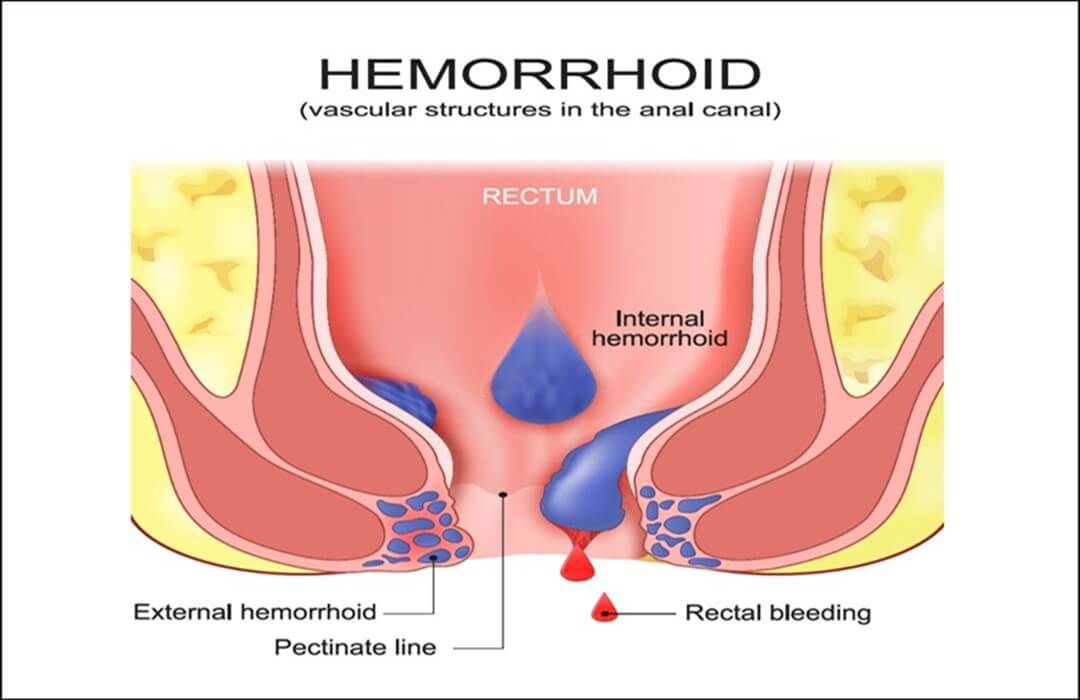
Hemorrhoids (Piles) are a very common health problem in Bangladesh. Chronic constipation, sitting for long periods, not consuming enough fiber and water, and straining during bowel movements gradually lead to this condition. Because of these factors, the veins around the anus become swollen, causing swelling, pain, burning sensation, and discomfort.
In the early stages, many people consider hemorrhoids a minor issue. However, over time it can worsen and start affecting daily life.
In Bangladesh, many people delay treatment due to embarrassment or misconceptions, which often makes the problem long-lasting. This guide explains in simple language the practical ways to reduce hemorrhoid swelling, daily habits that help, and important treatment options.
Why Does Hemorrhoid Swelling Occur?
Hemorrhoid swelling mainly occurs due to excessive pressure on the veins of the anus and rectal area. When this pressure continues for a long time, the veins become enlarged and swollen, increasing pain and discomfort.
Common causes include
• Long-term constipation
• Passing hard stool and straining during bowel movement
• Sitting for long periods, such as office work or driving
• Low fiber intake and frequent consumption of spicy foods
• Pregnancy and excess body weight
• Not drinking enough water
Home Remedies and Daily Care to Reduce Hemorrhoid Swelling
Medication is not always the first solution. Following a few simple daily habits can significantly reduce hemorrhoid swelling and discomfort.
1. Warm Sitz Bath
Sitting in warm water for about 10 to 15 minutes, two to three times a day, can improve blood circulation, reduce pressure in the veins, and gradually decrease swelling.
2. Cold Compress
For external hemorrhoids, applying ice wrapped in a clean cloth for about 5 to 10 minutes can help reduce pain and swelling quickly. Avoid applying ice directly on the skin.
3. Drink Enough Water
Drinking around 2.5 to 3 liters of water daily helps keep stool soft. This reduces pressure during bowel movements and lowers the risk of swelling.
4. Increase Fiber Intake
Fiber plays an important role in preventing constipation.
Fruits: Banana, papaya, pear
Vegetables: Red spinach, Malabar spinach, okra
Grains: Brown rice, whole wheat flour, oats
If necessary, psyllium husk may be used with a doctor’s advice.
5. Improve Toilet Habits
Do not strain if the urge to pass stool is not strong. Avoid sitting in the toilet for a long time. Try to maintain a regular bowel routine.
Lifestyle Changes for Long Term Relief
Lifestyle changes are very important to reduce hemorrhoid swelling and prevent the problem from returning.
• Walk for at least 30 minutes every day
• Avoid sitting continuously for long periods, move every 45 to 60 minutes
• Reduce spicy, fried, and processed foods
• Avoid smoking and alcohol
• Slightly elevate your feet during bowel movement to reduce pressure
These habits reduce pressure on the veins and help control hemorrhoid symptoms.
Medical Treatment Options
If home remedies and lifestyle changes do not provide enough relief, consulting a doctor is necessary. Treatment depends on the type and severity of hemorrhoids.
A doctor may recommend
• Topical ointments or suppositories to reduce swelling and pain
• Stool softeners to keep stool soft
• Anti-inflammatory medications if necessary
With proper treatment at the right time, swelling, pain, and the risk of complications can be significantly reduced.
Final Thoughts
Hemorrhoids are not something to be embarrassed about. It is a common medical condition that can be effectively managed through awareness, proper habits, and medical care when needed.
If the symptoms persist for a long time, it is always best to consult a specialist doctor without delay.